Industries
Home and textile. Six styles, nine sizes and eleven colours. The catalogue is small; the matrix underneath it is not, and it is the matrix that goes wrong.
30 minutes, no deck.
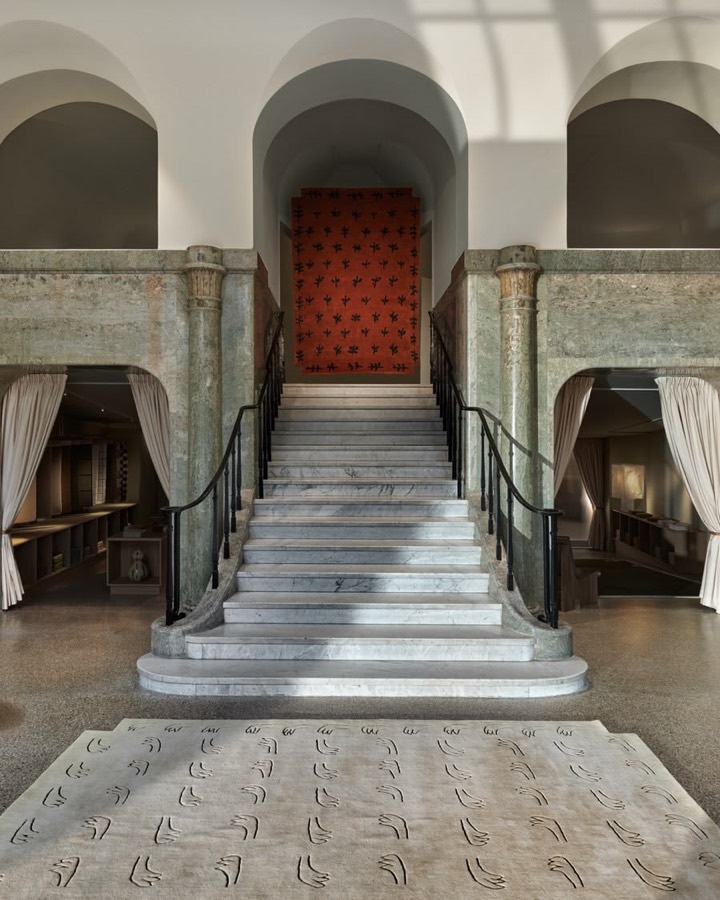

A dimension that is wrong stays wrong until the pallet arrives
Home ranges fail at the arithmetic rather than at the design. A dimension corrected on the master and not on the three sizes beneath it. A colour retired in one list and live in another. Each is a two-second mistake in a spreadsheet with nine hundred rows.
And there is no fitting to catch any of it. Nobody tries on a rug, so the first physical check on a dimension is the delivery, by which point the correction costs a container.
Dimensions treated as a specification
Sizes and dimensions with tolerances against them, measured on receipt and compared with what was specified, in the same place the specification lives.
One colour, used by everything that carries it
Defined once. Rename it, re-reference it or retire it and every article using it follows, rather than eleven of them following and one not.
Continuity that is genuinely continuous
A range re-ordered every season carries its record forward with its history attached, so the fourth repeat is not a fresh set of decisions.
More industries.
Footwear
Forty components, a dozen suppliers, and a costing that was true on the morning it was typed.
See how IndustriesAccessories & lifestyle
Leather, metal, glass and cardboard in one season, and a hardware supplier who takes two orders a year from you.
See how IndustriesKidswear
Cords, small parts, fibre labelling. The rules arrive from outside and none of them are yours to bend.
See howSee it on a real season. A live walk through the product on a worked season, with your own way of working in mind.
- One article end to end: colourways, components, suppliers, costs.
- The board, the tech pack and the BOM on that one style.
- What moving your current season across would take.
30 minutes, no deck.